FASTING: The Pause That Powers Everything
Live Beautifully
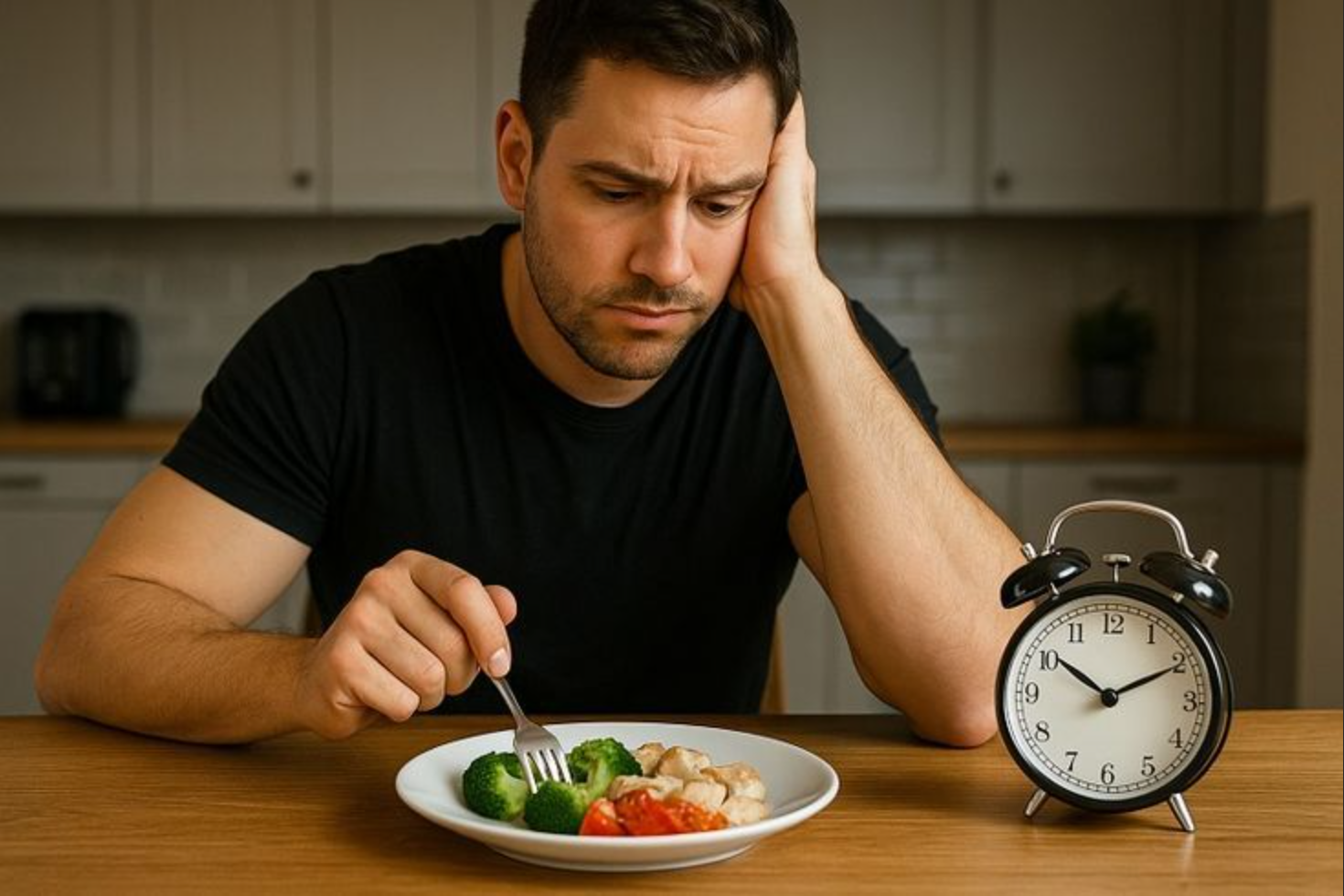
Fasting or “Intermittent Fasting” if you want to sound like you read a medical journal for fun, has graduated from monkish ritual to boardroom-brag. Everyone’s doing it: CEOs, athletes, and that one friend who insists she’s “not hungry, just detoxing.” But beyond the hype, science says they’re onto something. When practiced with common sense (and maybe a sparkling water in hand), fasting can reset metabolism, improve heart health, and sharpen brain function. Putting it in another form, fasting is less about starvation and more about strategy and unlike the weekly Ozempic injection, it’s free, natural, and doesn’t come with a waiting list at your pharmacy.
THE WEIGHT-LOSS AND A CELLULAR SPRING CLEANING
Let’s be honest: most people start fasting because they want to see less of themselves in the mirror in the good way. A 2025 meta-analysis found that fasting significantly reduced body weight and BMI while improving cholesterol levels. Harvard’s researchers added that alternate-day fasting outperformed old-school dieting by about 2.8 pounds(!) roughly the equivalent of one long weekend of bad decisions. But it’s not just about the scale. When you stop eating every few hours, your body flips the switch from burning bagels to burning stored fat. Scientists call it “metabolic flexibility.” You can call it finally getting rid of those love handles.
Here’s where fasting gets fascinating. After 16 hours or so, your body begins autophagy (big word) the biological equivalent of taking out the trash. Cells repair themselves, inflammation cools, and you start to feel that mysterious sense of “lightness” influencers love to post about. Think of it as a detox that works, because your liver (and not a $14 green juice) is doing the heavy lifting. Studies show lower levels of C-reactive protein and interleukin-6, meaning fasting can help quiet the chronic inflammation linked to heart disease, arthritis, and even aging itself. By this time, you will thank yourself for skipping that venti-macchiato with whipped cream. It turns out, skipping lunch occasionally might add a few years to your life. Observational studies found that routine fasters have a 45% lower death rate and 71% lower risk of heart failure.
Meanwhile, the brain seems to love a little metabolic suspense. In trials with older adults, intermittent fasting improved memory, focus, and executive function (throw that around the office) possibly because it reduces neuroinflammation and boosts synaptic repair. Translation: your brain starts acting like it’s well-rested and hasn’t checked email since 2012! And your mood? well apparently, a little hunger makes some people happier. (Go figure.)
MAKE IT SAFE
As in anything, your health comes first so understand that fasting is not for everyone. People with diabetes, those who are pregnant, or anyone with a history of disordered eating should talk to a doctor before skipping dinner in the name of longevity. Start slowly, stay hydrated, and eat like an adult when you do eat, which means whole foods, protein, colored vegetables and fiber. Coffee counts for morale, not nutrition and that’s COFFEE, not 12 ingredient drive thru’s. Remember: fasting is a tool, not a punishment. You’re giving your body a break, not sending it to boot camp. You can thank me later….
FASTING TIMELINE (THE CLIFF NOTES VERSION)
Hours - What’s Happening - Real-World Translation
0–4 : Digesting your last meal. // Your body’s still partying with the pasta.
4–12 : Blood sugar drops; insulin chills out. // You’re officially between snacks.
12–16 : Fat burning begins; mild ketosis. // The fridge starts whispering your name.
16–24 : Fat burn + cell clean-up mode. // You’re glowing or hallucinating. Hard to tell.
24–48 : Growth hormone spikes; repairs intensify. // Your cells are purging their closets.
48–72 : Deep autophagy; stem-cell reboot. // You’re a highly evolved lab rat, with opinions.
72+ : Max ketosis; immune cell recycling. // Proceed with caution and adult supervision.
Fasting isn’t about deprivation but rather it’s about metabolic housekeeping. When you stop feeding constantly, your body finally gets to catch up on chores: burning fat, repairing cells, calming inflammation, and even giving your brain a little tune-up. It really comes down to less in your mouth (at least for a little while) maybe all you need. This is nature’s way of reminding you that sometimes, the most powerful thing you can do for your health is absolutely nothing… at least for a few hours.
Steve Harrington is a former athletic trainer at UNH who at the age of 60 discovered the art of fasting and can now fit in his college jeans.